

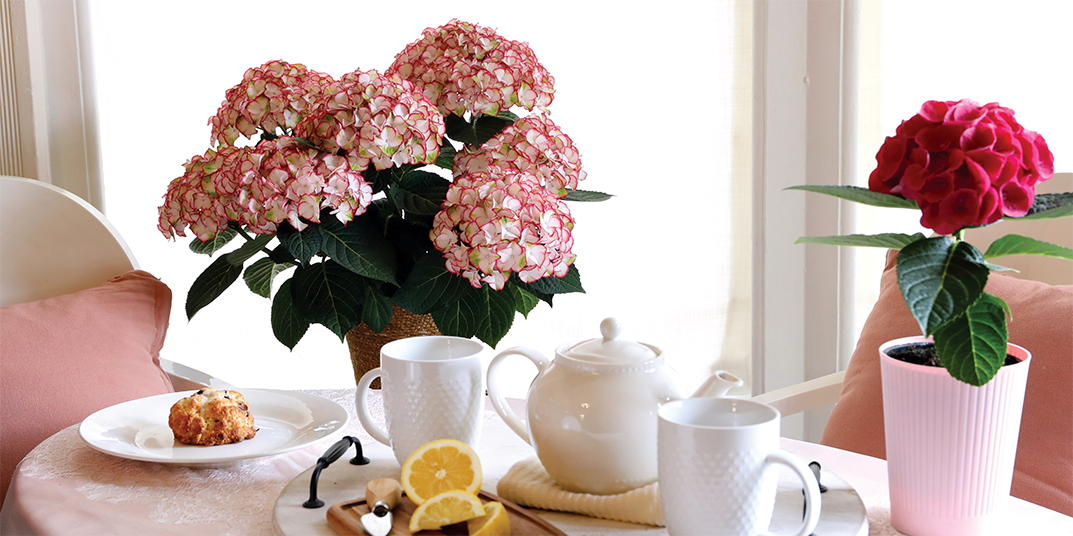
Few plants deliver instant charm like hydrangeas. With billowing blooms and lush foliage, they bring a fresh, calming vibe to garden beds, patios, and bright windowsills. Consider this your go-to guide for hydrangea care—from choosing the right type and providing ideal conditions to pruning, propagation, and solving common problems—so you can enjoy healthy plants and long-lasting flowers indoors and out.
Understanding Hydrangeas
Hydrangeas belong to the Hydrangea genus and span several beloved species, each with unique growth habits and bloom styles. The most common types include bigleaf (Hydrangea macrophylla), featuring mophead and lacecap forms; panicle (Hydrangea paniculata); smooth (Hydrangea arborescens); oakleaf (Hydrangea quercifolia); and climbing hydrangea (Hydrangea anomala subsp. petiolaris).
Bigleaf hydrangeas are famous for their color-shifting blooms influenced by soil pH, while panicle and smooth hydrangeas deliver abundant, reliable flower clusters. Oakleaf hydrangeas add drama with bold foliage and cone-shaped blooms. Most hydrangeas are deciduous shrubs with a rounded habit, typically maturing between 3 and 8 feet tall depending on variety and pruning. They prefer cool roots and moderate temperatures, blooming from late spring through summer. Bigleaf and oakleaf hydrangeas form flower buds on old wood, while many panicle and smooth types bloom on new wood.
While these shrubs thrive outdoors, potted hydrangeas can be enjoyed indoors for short periods. Hydrangea indoor display works best in bright, indirect light near a window, with consistent moisture and steady air circulation. Avoid hot, dry rooms and direct midday sun, which can lead to wilting. For hydrangea care in pots, many plants perform best once moved outdoors to a shaded patio when temperatures are mild.
Essential Hydrangea Care Tips
Healthy hydrangeas start with great soil and steady hydration. Hydrangeas prefer evenly moist, well-draining soil. Water deeply when the top inch of soil feels dry to keep the root zone hydrated. Mulch with shredded bark or compost to conserve moisture and keep roots cool—especially important during summer heat.
For hydrangea care in pots, use a high-quality potting mix with added perlite for drainage, and make sure containers have ample drainage holes to prevent root rot. Hydrangea watering should be consistent: allow excess water to drain, then empty saucers so roots aren’t sitting in water. In warm weather, check moisture daily; in cooler seasons, monitor and water less frequently, but don’t allow the root ball to fully dry out.
Fertilize lightly to encourage strong growth and more blooms. In spring, apply a balanced, slow-release fertilizer (such as 10-10-10) according to label instructions. A second light feeding in early summer can boost flowering on bigleaf hydrangeas. Avoid overfertilizing, which can create leafy growth at the expense of blooms—a key principle in hydrangea plant care.
Sun needs vary by type, so dial in your hydrangea lighting based on the plant you have:
- Bigleaf and oakleaf hydrangeas: morning sun and afternoon shade, especially in hot climates.
- Panicle and smooth hydrangeas: more sun-tolerant; often bloom best in full sun to part sun.
Indoors, place hydrangeas near a bright window with filtered light and rotate the pot every few weeks for even growth. If leaves scorch or flowers fade quickly, reduce direct sun exposure and increase humidity. Hydrangea indoor placement near sheer-curtained windows helps balance light and temperature for sustained bloom quality.
Color tips for bigleaf hydrangeas: soil pH affects bloom color. Acidic soil (pH below 6) tends to produce blue flowers, while alkaline soil (pH above 7) leans pink. To encourage blue tones, use products containing aluminum sulfate; for pink tones, add garden lime. Adjust gradually and follow product guidelines to avoid stressing roots—an essential detail in thoughtful hydrangea plant care.
Pruning Hydrangeas
Pruning timing depends on whether your hydrangea blooms on old wood or new wood:
- Bigleaf and oakleaf hydrangeas (old wood): prune right after flowering. Remove spent blooms and lightly shape the plant. Avoid heavy pruning in late summer, autumn, or early spring, which can remove next season’s buds.
- Smooth (arborescens) and panicle (paniculata) hydrangeas (new wood): prune in late winter or very early spring before new growth emerges. Cut back weak stems, thin crowded branches, and shape to your preferred size.
Use clean, sharp bypass pruners for stems and loppers for thicker branches. Disinfect tools with a 10% bleach solution or rubbing alcohol between plants to prevent disease spread. Wear gloves to protect your hands and improve your grip.
To safeguard blooming, avoid common mistakes such as pruning at the wrong time, removing too much old wood on bigleaf hydrangeas, or cutting all stems to the ground unnecessarily. Skip hedge-trimming, which can remove buds indiscriminately. When in doubt, prune lightly and focus on dead, damaged, or crossing branches—smart hydrangea care that preserves both shape and flowers.
Hydrangea Propagation Techniques
Hydrangeas propagate well by softwood cuttings, hardwood cuttings, and simple layering. Choose the method that fits your timing and patience level:
- Softwood cuttings: In late spring to early summer, select healthy, non-flowering tips. Cut a 4–6 inch piece below a leaf node, remove lower leaves, dip in rooting hormone, and insert into a sterile, moist medium like perlite and peat or seed-starting mix. Cover with a humidity dome or clear bag to maintain moisture and place in bright, indirect light.
- Hardwood cuttings: In late autumn to winter, take mature, dormant stems. Cut 6–8 inch sections, make a bottom cut just below a node, and insert several nodes deep into a well-draining medium. Keep cool but frost-free until roots form in spring.
- Layering: In spring, bend a flexible stem to the ground, nick the underside slightly, pin it in place, and cover with soil. Keep moist. By autumn or the following spring, roots should form at the buried node; cut the new plant free and transplant.
Timing matters. Softwood cuttings root fastest when temperatures are mild and growth is active. Hardwood cuttings and layering require patience but often yield sturdy young plants. For best results, keep the medium evenly moist, provide bright, indirect light, and avoid fertilizer until roots establish. Once rooted, pot up into a well-draining mix and gradually acclimate to more light—excellent hydrangea care in pots starts with strong, well-rooted starts.
Troubleshooting Hydrangea Problems
Even well-cared-for hydrangeas can encounter pests and diseases. A proactive approach keeps plants resilient.
- Aphids and spider mites: Treat with insecticidal soap or horticultural oil. Apply in the morning or evening to avoid leaf burn.
- Scale insects: Manage with horticultural oil during the dormant season or remove heavily infested stems.
- Slugs: Chew leaves in damp, shaded areas. Use iron phosphate bait and reduce hiding spots.
Diseases to watch for include powdery mildew, leaf spot, and root rot. Improve air circulation, avoid overhead watering, and water at the base to prevent fungal issues. If powdery mildew appears, remove affected leaves and consider a fungicide labeled for ornamentals. Root rot stems from soggy soil; correct drainage and allow the soil to dry slightly between hydrangea watering sessions.
Hydrangea symptoms and fixes:
- Wilting: Often due to underwatering or heat stress. Check soil moisture before watering; plants may perk up by evening if droop is heat-induced.
- Yellowing leaves: May indicate nutrient deficiency or waterlogged soil. Adjust watering, ensure drainage, and apply a balanced fertilizer if needed.
- Brown leaf edges: Typically sun scorch or wind exposure. Provide afternoon shade and mulch to moderate soil temperatures.
Seasonal care helps hydrangeas thrive:
- Spring: Feed lightly and remove winter damage; refresh mulch for moisture retention.
- Summer: Mulch and water consistently; provide shade during heat waves and monitor hydrangea lighting to prevent scorch.
- Autumn: Stop fertilizing and allow plants to harden off; clean up debris to reduce disease pressure.
- Winter: In colder regions, protect bigleaf hydrangeas by mulching the root zone and shielding buds from harsh winds. For hydrangea care in pots, move containers to a sheltered spot or unheated garage to avoid freeze-thaw damage.
Frequently Asked Questions
Can hydrangeas be grown indoors year-round? Hydrangeas are best as outdoor shrubs. Potted gift plants can be enjoyed indoors for a few weeks in bright, indirect light, but long-term hydrangea indoor success is better outdoors where light and temperature are more suitable.
How often should I water a potted hydrangea? Check soil moisture daily during warm weather. Water when the top inch is dry until water drains from the bottom. Reduce frequency in cooler months, but never let the root ball fully dry out. Consistent hydrangea watering is the foundation of reliable bloom and foliage.
Why did my hydrangea stop blooming? Common causes include pruning at the wrong time (removing buds on old wood), winter bud damage, too much shade, or excessive nitrogen fertilizer. Adjust pruning timing, provide morning sun, refine hydrangea lighting, and use balanced feeding.
Can I change my hydrangea’s bloom color? Bigleaf hydrangea color can shift with soil pH and aluminum availability. For blue blooms, use aluminum sulfate and keep soil mildly acidic. For pink blooms, add garden lime to raise pH. White varieties typically remain white.
What size container is best? Choose a pot 2–4 inches wider than the current root ball with ample drainage holes. Use a sturdy, well-draining potting mix and elevate the pot slightly to prevent water pooling. Thoughtful hydrangea care in pots ensures healthier roots and better flowering.
Quick Reference: Hydrangea Care Essentials
| Topic | Best Practices |
|---|---|
| Hydration | Water when top inch is dry; mulch to retain moisture; avoid waterlogged soil. |
| Light | Morning sun, afternoon shade for bigleaf/oakleaf; more sun for panicle/smooth; filter light indoors. |
| Soil & Pots | Well-draining mix with perlite; containers with drainage; refresh potting mix as needed. |
| Feeding | Balanced slow-release in spring; optional light summer feed for bigleaf; avoid excess nitrogen. |
| Pruning | Old wood right after bloom; new wood late winter/early spring; remove dead/damaged branches. |
| Indoor Display | Bright, indirect light; rotate pot; consistent hydrangea watering; move outdoors when conditions improve. |
Whether you’re tending beds or styling containers, hydrangea care comes down to balanced light, steady moisture, and thoughtful timing. With the right hydrangea lighting, careful hydrangea watering, and smart hydrangea plant care, your shrubs will reward you with lush foliage and spectacular blooms season after season.