

Why Is My Hydrangea Changing Color?
Hydrangeas have a way of surprising us. One season they glow sky blue, the next they blush soft pink, and sometimes they settle into dreamy purples or vintage greens. If you’ve found yourself wondering, “Why is my hydrangea changing color?” you’re not alone. Hydrangea changes color in response to subtle shifts in soil chemistry, climate, and care. Once you understand what makes hydrangeas change color, you can guide those hues with confidence. Consider this your friendly, science-backed guide to help you keep the shades you love or explore new ones on purpose.
Understanding Hydrangea Color Changes
At the heart of the story is a plant pigment called anthocyanin. In bigleaf hydrangeas and mountain hydrangeas, anthocyanins interact with aluminum in the soil. When aluminum is available, blooms trend blue; when aluminum is limited, you’ll see pink. Purple often appears when conditions sit between the two. If you’re asking “what makes hydrangeas change color?” it’s this remarkable dance between pigment and aluminum, managed by soil pH.
Soil pH is the key. In acidic soils (around pH 5.2–5.5), aluminum becomes soluble and available, encouraging blue tones. In neutral to slightly alkaline soils (pH 6.0–7.0+), aluminum is less available, so flowers shift toward pink. In the middle, you’ll often see lavender, mauve, or mixed blooms on the same plant. White hydrangeas generally remain white because their pigments don’t react to pH the same way.
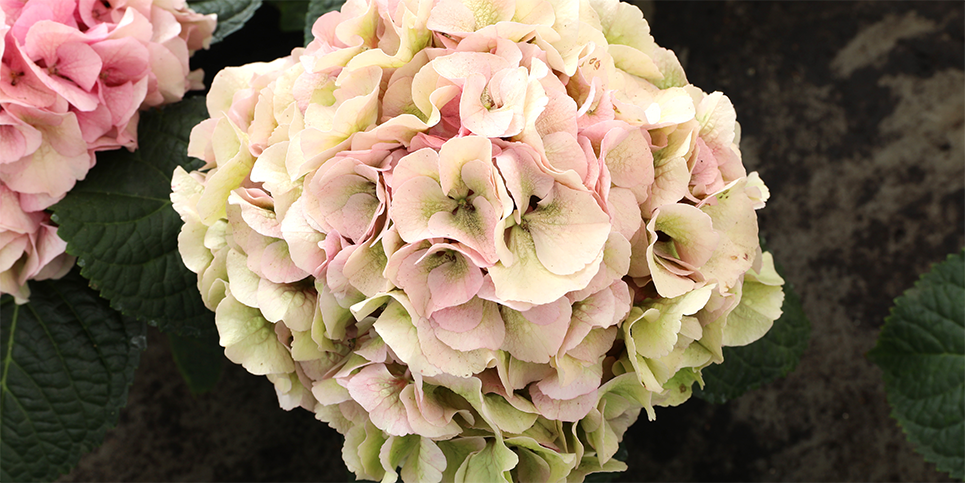
Species matter, too. Bigleaf hydrangeas (Hydrangea macrophylla), including mophead and lacecap forms, are the most responsive, while mountain hydrangeas (Hydrangea serrata) behave similarly. Panicle hydrangeas (Hydrangea paniculata), smooth hydrangeas (Hydrangea arborescens), and oakleaf hydrangeas (Hydrangea quercifolia) won’t turn pink or blue due to pH, though their blooms often age from white to blush. If you’re wondering “why is my hydrangea turning green,” that’s often part of normal bloom aging; flowers deepen, mellow, and take on antique green tones late in the season.
Common Reasons for Color Change
Even without big changes in your routine, everyday influences can sway your hydrangea’s palette. When you’re asking “why is my hydrangea changing color,” take a look around—small adjustments in water, nearby materials, or fertilizers can shift soil pH and aluminum availability.
-
Nearby materials: Concrete, mortar, and gravel can leach lime into soil and nudge pH upward, steering blooms toward pink. Pine needles, peat moss, and sulfur-based products can acidify slowly, encouraging blue.
-
Water source: Hard, alkaline tap water gently raises soil pH over time. Rainwater is typically neutral to slightly acidic and can help preserve blue tones.
-
Recent amendments: Repotting mixes, mulches, and fertilizers can alter pH and nutrients. Changes often show up in the next bloom cycle.
Nutrients play a supporting role. Phosphorus ties up aluminum, so higher phosphorus levels can push blooms toward pink. Potassium supports overall plant vigor, helping colors look cleaner and more saturated. If your plant is underfed or stressed, colors may look washed out rather than clearly blue or pink. A soil test will point you in the right direction.
Weather adds another layer. Cooler temperatures often deepen colors, while heat can fade them more quickly. Extended rain can leach nutrients and shift pH; drought stress can mute colors and shrink flower size. And as the season progresses, blooms naturally evolve—those antique greens you notice are part of normal aging, a common reason for asking “why is my hydrangea turning green.”
Hydrangea changes color within a season or from year to year more often than most people realize. It’s normal to see a single plant show multiple shades as individual flower heads mature and soften.
How to Maintain Desired Hydrangea Colors
Start with a soil test to check pH and nutrients, then make thoughtful, gradual adjustments. If your goal is sky blue on bigleaf hydrangeas, aim for a more acidic soil and make sure aluminum is accessible. If you love soft pink, reduce aluminum availability and nudge pH toward neutral. Keep the question “what makes hydrangeas change color?” in mind: it’s all about the interplay of pH and aluminum.
Encouraging Blue Blooms
- Lower pH slowly using garden sulfur or elemental sulfur according to label directions.
- Incorporate organic materials like pine bark, pine needles, or peat for gentle, long-term acidification.
- Use aluminum sulfate carefully in naturally acidic soils to supply both acidity and aluminum. Avoid over-application to protect roots.
- Water with collected rainwater when possible if your tap water is alkaline.
Encouraging Pink Blooms
- Raise pH toward neutral with garden lime; dolomitic lime adds magnesium, too.
- Avoid aluminum sulfate—the goal is to reduce aluminum availability.
- Select fertilizers with moderate phosphorus to help limit aluminum uptake. Apply lightly and avoid over-fertilizing.
Fertilizer Tips
Balanced, slow-release fertilizers such as 10-10-10 or 12-4-8 support healthy growth and steady color. For blue tones, avoid high-phosphorus blends that tie up aluminum. For pink tones, moderate phosphorus helps limit aluminum uptake. Follow label rates and retest soil every season or two to monitor your progress.
Pruning and Care for Color Intensity
Good pruning and thoughtful care don’t just help plants bloom—they elevate color intensity.
- Bigleaf hydrangeas that bloom on old wood: Prune lightly after flowering to remove dead or weak stems. Avoid heavy late-winter pruning, which removes next year’s buds.
- Reblooming cultivars and mountain hydrangeas: Selective thinning improves airflow and supports vigorous new growth.
- Light and moisture: Aim for morning sun and afternoon shade, plus consistent moisture. Healthy plants deliver richer, more saturated color.
Hydrangea changes color gradually. After you adjust pH or nutrients, expect results in the next bloom cycle whcih can often take several months to a year. Stay patient as changes settle in and remember that the journey is part of the beauty.
Species Guide: Which Hydrangeas Change Color?
| Species | Common Names | Color Change with pH | Typical Color Behavior |
|---|---|---|---|
| Hydrangea macrophylla | Bigleaf, Mophead, Lacecap | Yes | Shifts between blue and pink; purple in intermediate conditions |
| Hydrangea serrata | Mountain hydrangea | Yes | Similar to bigleaf, responsive to pH changes |
| Hydrangea paniculata | Panicle hydrangea | No | Blooms age from white/green to blush; not blue/pink via pH |
| Hydrangea arborescens | Smooth hydrangea | No | Generally white; aging can add soft blush tones |
| Hydrangea quercifolia | Oakleaf hydrangea | No | White blooms age to rosy hues; pH won’t create blue/pink |
Practical Steps to Diagnose and Adjust
If you’re still asking, “Why is my hydrangea changing color?” use this quick checklist to get clarity and take action:
- Test your soil: Check pH and major nutrients (N-P-K) with a lab or home kit to establish a baseline.
- Identify your species: Confirm whether your hydrangea responds to pH (bigleaf or mountain) or not (panicle, smooth, oakleaf).
- Observe nearby influences: Note concrete, masonry, gravel, or organic mulches that may shift pH over time.
- Review watering: If tap water is hard or alkaline, switch to rainwater or counterbalance with acidifying practices.
- Amend slowly: Make small, seasonal adjustments. Gentle changes reduce stress and help you track results.
- Monitor and retest: Recheck pH and nutrients every 6–12 months to stay on target and avoid overshooting.
Troubleshooting Off-Color or Faded Blooms
Color not quite what you expected? These quick tips can help you pinpoint what makes hydrangeas change color in your garden:
- Washed-out colors: Often linked to nutrient deficiencies or heat stress. Apply a balanced, slow-release fertilizer and offer afternoon shade in hot climates.
- Inconsistent color on the same plant: Common in transitional pH ranges or uneven soil conditions. Mix amendments thoroughly and water evenly.
- Green or “antique” tones: Usually a sign of normal bloom aging. If you prefer brighter hues, prune lightly after peak color to encourage new growth next season. This also addresses the common question “Why is my hydrangea turning green?”
- Poor flowering after pruning: Bigleaf hydrangeas form buds on old wood. Avoid heavy pruning in late winter to preserve next season’s blooms.
Frequently Asked Questions
Is it normal for hydrangeas to change colors?
Yes. Bigleaf and mountain hydrangeas regularly shift between blue, pink, and purple based on soil pH, aluminum availability, and bloom age. Other species don’t change due to pH but may blush as flowers mature.
Why is my hydrangea changing color even though I haven’t changed anything?
Small, natural shifts like rain patterns, tap water, nearby concrete, or mulch type can nudge pH over time. Hydrangea changes color in response to these subtle influences, so the garden’s seasonal rhythm is often the reason.
How long does it take for color changes to appear?
Most adjustments show in the next bloom cycle, typically several months to a year. Aluminum-related changes can sometimes appear within the same season, but the most stable results show up the following year.
Can white hydrangeas turn blue or pink?
Generally, no. Most white cultivars stay white because their pigments don’t respond to pH the way bigleaf blues and pinks do. Some may blush lightly as they age, but they won’t become true blue or pink through soil changes.
Why is my hydrangea turning green late in the season?
That antique green is part of normal bloom aging. As the flowers mature, pigments shift and soften, creating greenish tones. If you love fresher hues, time your pruning just after peak color and maintain steady moisture and light.
Do container hydrangeas change color differently?
Yes. Containers respond faster because there’s less soil and more frequent watering. You can fine-tune pH and nutrients precisely, but monitor closely to avoid sudden swings that stress roots.
Will tap water affect the color?
Hard, alkaline water can gradually raise soil pH, nudging blooms toward pink. If your target color is blue, use collected rainwater when possible and pair with gentle acidifying practices.
Key Takeaways
- Hydrangea changes color because of aluminum availability, which is shaped by soil pH. If you’re asking “what makes hydrangeas change color,” that’s the core principle.
- Bigleaf and mountain hydrangeas respond to pH shifts; panicle, smooth, and oakleaf hydrangeas won’t turn blue or pink from pH changes.
- Everyday influences such as water sources, nearby materials, weather, and amendments can steer soil conditions and color outcomes.
- Begin with a soil test, adjust pH gradually, and retest regularly. Thoughtful changes lead to vibrant, stable results.
- If you’re noticing vintage greens and wondering, “Why is my hydrangea turning green?” it’s usually normal bloom aging and part of their timeless charm.
- Patience is powerful. Most changes appear in the next bloom cycle, so give your plant time to settle into its new palette.
Hydrangeas are storytellers. Their color is a living record of your soil, your weather, and your care. Now that you know why your hydrangea is changing color and what makes hydrangeas change color, you can shape that story using soft pinks for romance, ocean blues for calm, dreamy purples for a touch of magic, and those lovely antique greens that signal the season’s graceful close.